Wedding florist guide for Kensington High Street, W8 London
Posted on 13/05/2026
Planning wedding flowers for Kensington High Street can feel wonderfully exciting and mildly overwhelming at the same time. One minute you're picturing a crisp white bouquet against a London townhouse backdrop, the next you're wondering about delivery timing, venue access, colours, and whether the buttonholes will survive the journey. This Wedding florist guide for Kensington High Street, W8 London brings it all together in one place, with practical advice for choosing flowers that look elegant, travel well, and suit the mood of the day.
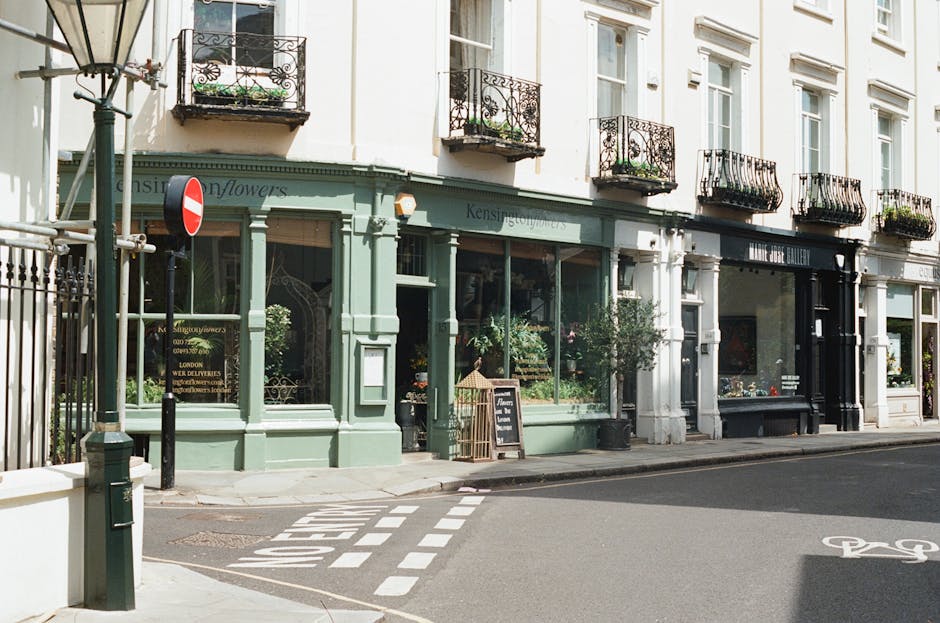
Kensington has its own character: polished, central, a little grand, and very detail-aware. That matters when you are choosing a wedding florist. The right flowers do more than look pretty in photos; they help the day feel coherent from the ceremony to the reception table. Whether you want a timeless bridal bouquet, understated bridesmaid flowers, or a full floral story across the venue, the key is planning with the location in mind.
Below, you'll find a clear guide to what to order, when to book, how to avoid common mistakes, and which flower styles tend to work beautifully for W8 weddings. There are also internal links to useful collections if you want to move from ideas to action without bouncing around the site like a headless pin cushion. Let's get into it.
Table of Contents
- Why Wedding florist guide for Kensington High Street, W8 London Matters
- How Wedding florist guide for Kensington High Street, W8 London Works
- Key Benefits and Practical Advantages
- Who This Is For and When It Makes Sense
- Step-by-Step Guidance
- Expert Tips for Better Results
- Common Mistakes to Avoid
- Tools, Resources and Recommendations
- Law, Compliance, Standards, or Best Practice
- Options, Methods, or Comparison Table
- Case Study or Real-World Example
- Practical Checklist
- Conclusion
- Frequently Asked Questions
Why Wedding florist guide for Kensington High Street, W8 London Matters
Kensington High Street sits in one of London's most style-conscious areas, and wedding flowers here tend to carry more weight than many couples first expect. A bouquet is not just a bouquet. It's part of the visual language of the day, and in a location like W8, that language needs to feel considered.
Why does this matter so much? Because Kensington weddings often combine several moving parts: travel between home, hotel, registry office, church, venue, and photography spots. Flowers have to look refined, but they also need to be practical. A large cascading arrangement can be stunning, but if it is too heavy, the bride will feel it. A delicate bouquet may photograph beautifully, but if the stems are poorly wrapped, it can become uncomfortable halfway through the day.
There's also the local setting itself. Kensington has a mix of elegant classicism and modern luxury, which means floral design can go in several directions without feeling out of place. Soft blush and ivory, rich red and burgundy, full garden-style mixes, and clean white compositions all work well here, depending on the venue and season.
To be fair, this is where many couples get stuck: they like too many styles. One reference photo is romantic, another is editorial, another is very traditional. A good florist helps you narrow it down so your flowers don't look like a mood board argument. That editorial balance is exactly why a location-aware guide is useful.
If you're also sorting flowers for related occasions around the wedding, you may find it handy to browse options like romantic flower styles, engagement flowers, or a broader wedding collection to keep everything visually aligned from proposal to reception.
How Wedding florist guide for Kensington High Street, W8 London Works
Wedding floristry usually follows a simple arc: inspiration, specification, design, confirmation, and delivery. The details change from florist to florist, but the process should feel calm and organised, not chaotic. If it feels chaotic, something is off.
First, you define the parts of the wedding that need flowers. This usually includes the bridal bouquet, bridesmaid bouquets, buttonholes, ceremony arrangements, aisle or altar pieces, table flowers, and sometimes entryway flowers or special tribute pieces. In smaller weddings, you may only need two or three of these. In larger celebrations, the floral plan can become quite extensive.
Then comes the style choice. Kensington couples often lean toward elegant neutrals, romantic pastels, and luxe statement blooms, but there is no rule that says you have to. A modern red-and-white palette can look incredible in a smart city setting. A mixed-colour design can feel fresh and joyful. And yes, if you love pink, you can absolutely build a whole scheme around it without apology.
The florist then translates your vision into a workable plan based on flower availability, seasonality, stem lengths, container sizes, and transport. This is the part people rarely see, yet it makes the whole thing function. Flowers are living material. They move, open, soften, and sometimes misbehave. Good planning helps them arrive looking intentional rather than merely present.
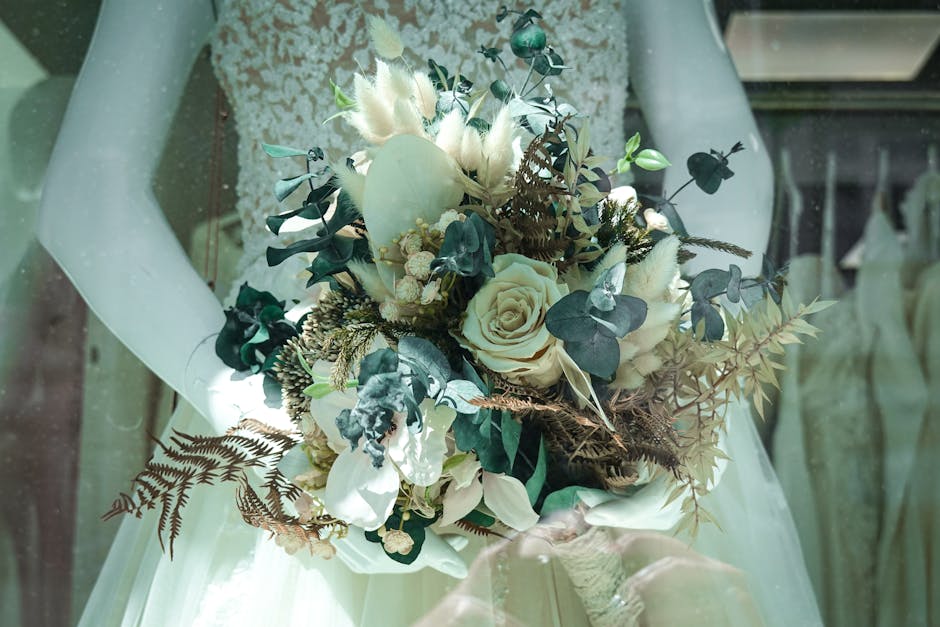
For a better sense of product types that fit different wedding moments, explore bridal bouquets, bridesmaid bouquets, buttonholes, and table arrangements. Those four categories cover a surprising amount of ground.
Key Benefits and Practical Advantages
Getting the floral plan right does more than make the venue look lovely. It reduces stress. It improves photographs. It helps the wedding feel cohesive. And, perhaps most importantly, it avoids the last-minute scrabble of trying to pin a buttonhole with half a teaspoon and an overworked best man.
- Visual cohesion: A single floral palette can unify outfits, stationery, decor, and table styling.
- Better photos: Flowers frame faces, soften backgrounds, and add depth to group shots.
- Guest experience: Table flowers and venue arrangements make the space feel cared for, not empty.
- Practical planning: A clear order list reduces the risk of missing something important.
- Seasonal value: Choosing flowers that are in season often gives you more variety and better condition.
A second benefit is flexibility. If you build your wedding flower plan around a handful of core blooms, you can scale up or down without changing the whole aesthetic. For instance, white roses and lilies create a classic base, while alstroemeria or germini can add texture and help keep the design balanced. That makes budgeting a little saner, which is never a bad thing.
For couples who want a more premium feel, luxury-style arrangements can be a good route, especially when paired with strong focal flowers. If that sounds like you, take a look at luxury flowers and browse roses or lilies as anchors for the design.
Who This Is For and When It Makes Sense
This guide is for any couple planning a wedding in or around Kensington High Street, whether the event is a small civil ceremony or a full-scale celebration. It also helps family members, wedding planners, and anyone stepping in to handle flowers on behalf of the couple. Which, truth be told, happens quite often.
It makes sense if you are:
- getting married in a Kensington venue and need flowers that suit the setting
- trying to choose between a few flower styles and need practical clarity
- balancing beauty with budget
- ordering flowers for the first time and want to avoid simple mistakes
- planning a multicultural or personalised wedding and want flowers to reflect that
It also matters if your schedule is tight. London weddings often have compressed timelines. People travel, suppliers move between venues, and delivery windows can be narrow. When that happens, it helps to work with a florist who can keep things simple and dependable.
If your wedding includes gifts or add-ons for bridesmaids, the couple, or close family, it can be useful to pair the main flowers with wedding gifts or softer handover pieces such as baskets and posies. They make thoughtful extras without overcomplicating the day.
Step-by-Step Guidance
- Start with the venue and outfit style. A Kensington townhouse, church, hotel, or reception room each suits a different floral scale. Heavy flowers in a small space can feel crowded; too little in a large room can look underwhelming.
- Choose a colour direction. Think in terms of mood first, not flower names. Do you want romantic, fresh, formal, modern, or opulent? That decision makes everything else easier.
- Pick your hero flowers. Roses, lilies, hydrangeas, alstroemeria, carnations, and chrysanthemums all play different roles. For example, roses are classic and flexible, while hydrangeas bring softness and volume.
- Define the core items. Most couples begin with bridal bouquet, bridesmaid bouquets, buttonholes, and at least one table or ceremony arrangement.
- Check seasonality and substitution options. A good florist should explain where alternatives may be needed. It is normal, not a problem.
- Confirm delivery logistics. Ask how the flowers will arrive, where they will be dropped, and who will sign for them.
- Review the final design details. Stem length, ribbon colour, vase style, and bouquet size all affect the end result more than people realise.
A useful shortcut: if you're choosing under time pressure, start with a tried-and-tested floral collection and then adjust colour and scale. The collections in the best sellers area can be a sensible place to compare popular options without getting lost in endless choices.
Another practical route is to build around one of the wedding-specific ranges, such as the I Cherish You wedding collection or The Perfect Match wedding collection. These are helpful when you want matching pieces across bouquets and buttonholes.
Expert Tips for Better Results
Here's the bit that tends to make the difference between "nice flowers" and flowers that actually feel polished. Small choices matter more than people think.
- Keep the bouquet scale in proportion to the dress. A full skirt can carry a fuller bouquet. A sleek dress often looks better with a more streamlined shape.
- Don't over-mix your palette. Two to four tones is usually enough. Too many colours can look lively in the wrong way.
- Use texture intentionally. A few textured stems, such as germini or alstroemeria, can stop a design from looking flat.
- Think about the reception lighting. Warm indoor light can shift white flowers slightly creamy in photos, while daylight makes pastel tones read more clearly.
- Ask for a backup plan. If a specific bloom is unavailable, what will replace it? That question saves headaches.
One very practical tip: buttonholes should be designed for quick pinning and easy wearing. Groom and groomsmen flowers often get forgotten until the last minute, then everyone is rummaging for a pin. Not ideal. Start with a clean, compact style and keep the design secure. If you want to compare options, browse wedding buttonholes and choose one that matches the bouquet rather than competes with it.
And if you want the day to feel unified, keep the bridal bouquet, bridesmaid flowers, and table arrangements in the same floral family. A white rose bouquet with a completely unrelated table design can work, but it usually feels a bit disjointed. A few shared stems or repeated colours create rhythm. Simple, but powerful.
Common Mistakes to Avoid
Most wedding flower problems are avoidable. They usually come from rushing, under-specifying, or assuming all blooms behave the same. They don't.
- Ordering too late: Good florists and popular dates book up. Leave less room for panic if you can.
- Choosing only from images: Photos can be misleading. Ask what is actually in season and what size the arrangement will be.
- Ignoring transport: Some arrangements are beautiful but awkward to carry or deliver.
- Trying to match everything exactly: Slight variation is normal and often looks more natural.
- Forgetting the venue layout: A large centerpiece can block conversation. A low arrangement is sometimes the smarter choice.
Another common issue is forgetting non-obvious pieces: corsages, thank-you flowers, or small family tributes. If those matter to your day, include them in the plan from the beginning. If you need extra occasion pieces for family moments, wedding corsages and thank-you flowers can be useful additions.
And a small but important one: do not leave ribbon colour or vase style to the final five minutes. Those little touches show up in photos, and they are much easier to choose calmly than in a rush.
Tools, Resources and Recommendations
You do not need a giant toolkit to plan good wedding flowers. You do need a few reliable reference points.
| Planning need | Useful approach | Why it helps |
|---|---|---|
| Style direction | Save 3-5 reference images with one clear mood | Prevents mixed messages and keeps the design focused |
| Colour selection | Start with one base colour and one accent | Makes the scheme easier to coordinate with outfits and venue decor |
| Budget control | Prioritise the bouquet and ceremony flowers first | Protects the most visible parts of the day |
| Flower choice | Use seasonal stems where possible | Usually offers better freshness and value |
| Decision-making | Compare collections before going custom | Speeds up the process and reduces overwhelm |
For inspiration by colour, the following links are particularly useful. A soft palette may work well if you want classic Kensington refinement: white flowers, pink flowers, purple flowers, red flowers, or a brighter, more playful look with mixed colours.
If your wedding sits on a tighter budget, that does not mean you need to compromise on presentation. You may simply need smarter choices around size, stem variety, and the number of focal arrangements. The budget flowers and cheap flowers sections can help you compare options realistically. Not glamorous, perhaps, but very useful.
Law, Compliance, Standards, or Best Practice
For wedding floristry, the key UK best-practice issues are practical rather than highly regulated. There is usually no special legal process just for choosing wedding flowers, but there are a few sensible things to keep in mind.
First, be clear on delivery access. Kensington locations can have restricted entry points, concierge arrangements, narrow windows, or building rules around unloading. The florist should know where flowers are going, who can receive them, and whether there are any on-site instructions. That sounds basic, but it prevents avoidable delays.
Second, if flowers are being installed in a public or venue-managed space, check whether the venue has its own rules about attaching items, using stands, or leaving arrangements in position after the event. It is common sense, but worth checking early.
Third, ask about freshness handling and transport. Flowers should be kept cool, hydrated, and packed properly. For table pieces or bouquets that need to travel across London, secure packaging matters more than people think.
Finally, if you are ordering flowers for multiple events around the wedding weekend, keep names, dates, and delivery instructions separate and clear. A simple order note can prevent confusion between wedding, engagement, rehearsal, and family arrangements. In other words: one couple, one day, one clean floral brief.
Options, Methods, or Comparison Table
When planning wedding flowers, you usually end up choosing between a few workable methods. None is automatically better. It depends on your budget, time, and how bespoke you want things to feel.
| Approach | Best for | Strengths | Watch-outs |
|---|---|---|---|
| Pre-designed collection | Couples who want speed and clarity | Easy to choose, visually cohesive, less decision fatigue | Less room for deep customisation |
| Fully bespoke design | Couples with a specific vision or complex venue needs | Most flexible, can match the wedding style closely | Needs more time and detail |
| Mixed approach | Most Kensington weddings, honestly | Combines reliable base items with a few custom touches | Requires clear communication so it does not drift |
In many cases, a mixed approach is the sweet spot. You might choose a coordinated bridal bouquet and bridesmaid set, then customise the table flowers slightly to fit the venue. That way the day feels intentional, but you are not paying bespoke-level attention to every single stem.
If you prefer a ready-made wedding flow, review options like SI wedding collection, White Wonders wedding collection, or True Happiness wedding collection. They make it easier to align bouquets, bridesmaid flowers, and buttonholes without reinventing the wheel.
Case Study or Real-World Example
Here's a realistic Kensington-style scenario. A couple is planning a late-afternoon ceremony followed by a hotel reception a short drive away. The bride wants something elegant but not stiff, the bridesmaids are in muted champagne dresses, and the room is naturally beautiful already, so the flowers need to enhance rather than dominate.
They start with a white and blush base: a bridal bouquet built around roses and a little texture, bridesmaid bouquets that are smaller but visually linked, and simple buttonholes for the groom and groomsmen. For the tables, they choose lower arrangements so guests can talk across them easily. Nothing oversized. Nothing fussy. Just balanced.
At first, the couple nearly chose two totally separate looks: one romantic and one ultra-modern. It would have been fine, but slightly off. Once the florist suggested repeating the same rose variety and a matching ribbon tone across all pieces, the whole wedding clicked into place. The room felt soft, polished, and quietly expensive-looking. Not shouty. Just right.
If they wanted one extra flourish, a small floral gift for the couple's parents or the bridal party would fit naturally. Options like Loves Embrace or Love and Hugs would suit that sort of thoughtful handover beautifully.
The lesson? Consistency beats complexity more often than people expect. A clean, thoughtful palette usually photographs better than a crowded one, especially in London venues where architecture already does some of the work for you.
Practical Checklist
- Confirm the wedding date, venue, and delivery window.
- Decide on the main floral mood: classic, romantic, modern, seasonal, or luxury.
- Choose your colour palette before selecting individual flowers.
- List the essentials: bridal bouquet, bridesmaid bouquets, buttonholes, table flowers, ceremony pieces.
- Check whether the venue has access restrictions or installation rules.
- Ask what flowers are in season and what substitutions may be needed.
- Confirm bouquet size and buttonhole style.
- Decide on ribbon, vase, or container details.
- Set a budget range and prioritise the most visible items.
- Review the final order carefully before payment.
If you want a slightly wider starting point before narrowing the plan, browse all flowers and use the categories to shortlist what fits your wedding best. It sounds basic, but sometimes the broad view is what makes the final decision easier.
Conclusion
A good wedding florist for Kensington High Street, W8 London should help you feel calmer, not more confused. The right flowers will suit the venue, complement the outfits, survive the logistics, and still look lovely when the photographer catches that one unexpected candid at the back of the room. That is the goal, really.
Keep the plan simple where it matters, and precise where it counts. Choose a colour story that feels true to you. Match the scale to the space. Build around reliable, beautiful blooms. And don't be afraid to ask for guidance; a strong florist will welcome it.
In a place like Kensington, details matter. But they do not have to become pressure. With a clear floral plan, you can create something elegant, warm, and unmistakably yours.
Get a free quote today and see how much you can save.
Frequently Asked Questions
What flowers work best for a wedding in Kensington High Street, W8 London?
Classic choices like roses, lilies, hydrangeas, alstroemeria, and mixed seasonal blooms work very well. The best option depends on your venue, colour scheme, and the level of formality you want.
How far in advance should I book a wedding florist in Kensington?
As early as you reasonably can, especially for popular summer dates. Booking ahead gives you more choice, more time to refine the design, and less pressure if substitutions are needed.
Do wedding flowers need to match the bridesmaids' dresses exactly?
No. They should complement the dresses, not copy them. A close tonal match often looks more elegant than trying to force an exact colour duplicate.
Can I keep wedding flowers within a modest budget and still make them look luxurious?
Yes. Focus on fewer, better-placed arrangements, use seasonal flowers where possible, and choose a clean palette. A thoughtful design often looks more expensive than a busy one.
What's the difference between a bridal bouquet and a bridesmaid bouquet?
A bridal bouquet is usually larger and more detailed, while bridesmaid bouquets are smaller and simpler so they support the overall look without taking attention away from the bride.
Are buttonholes necessary for a wedding?
They're not compulsory, but they are very common and help the wedding party look coordinated. Groom and groomsmen buttonholes are especially useful in formal or semi-formal weddings.
What if a flower I want is out of season?
A good florist will suggest a close alternative with a similar shape, colour, or texture. That is normal, and it often works better than insisting on a bloom that won't hold up well.
Should table arrangements be tall or low?
It depends on the room. Low arrangements are usually better for conversation, while taller pieces can work in larger spaces with higher ceilings. In many Kensington venues, low to medium arrangements are the safest choice.
Can wedding flowers be delivered the same day in London?
Often, yes, depending on the florist and the order details. For weddings, though, same-day delivery is best treated as a backup rather than the main plan.
What should I ask a florist before confirming my order?
Ask about flower availability, substitution policy, delivery timing, venue access, bouquet size, and any setup requirements. Those questions cover most of the important ground.
How do I choose a colour scheme if I'm not sure what I want?
Start with the venue and the dresses. Then pick one main mood: romantic, classic, modern, seasonal, or bold. From there, narrow to two or three colours instead of trying to include everything.
Is it better to choose a wedding collection or a fully bespoke design?
If you want speed and reliability, a wedding collection is often the easiest route. If you have a very specific vision or a tricky venue, bespoke design may be more suitable. Many couples land somewhere in the middle.
What's the most common mistake couples make with wedding flowers?
Probably trying to do too much. Too many colours, too many bloom types, too many different ideas at once. A simple, well-edited plan usually looks far better.
Can I use wedding flowers for other events too?
Yes, especially if you want to coordinate an engagement, anniversary, or family celebration around the wedding. Collections like anniversary flowers or congratulations flowers can help keep the styling consistent.