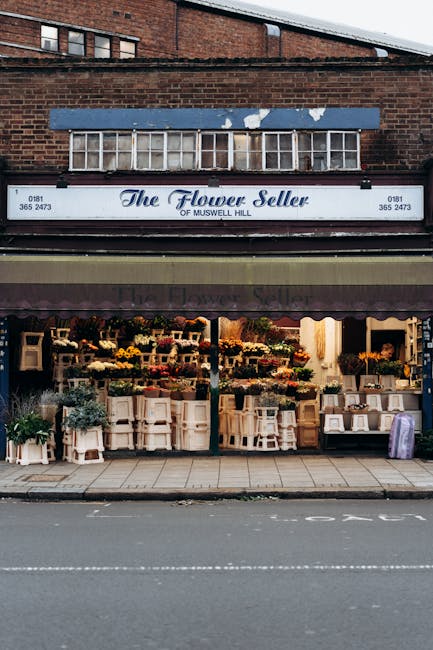
Why your London bouquet wilts fast and how florists fix it
Posted on 01/06/2026
There's nothing quite like getting a fresh bouquet in London, then watching it droop far too quickly. One day it looks lively and full of promise; the next, the petals are tired, the stems are soft, and the water's gone a bit cloudy. Frustrating? Absolutely. But there's usually a reason behind it. In this guide, we'll unpack why your London bouquet wilts fast and how florists fix it, from delivery timing and water quality to flower choice, conditioning, and the little florist tricks that make a big difference.
If you've ever wondered why some bouquets sail through the week while others fade by Thursday evening, you're in the right place. Let's get into the real causes, the practical fixes, and the smarter buying choices that help a bouquet last properly instead of merely looking nice for a moment.
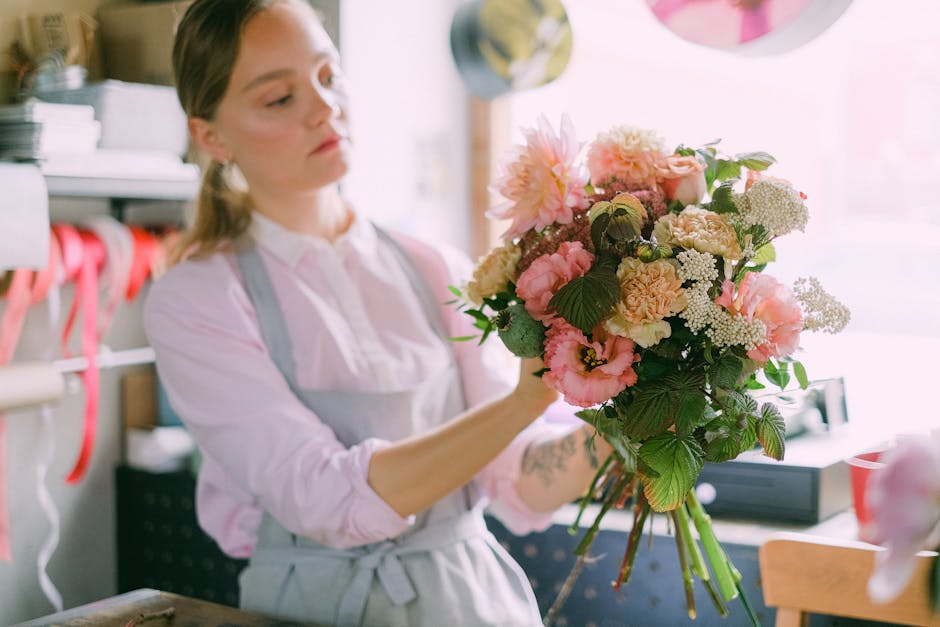
Table of Contents
- Why it matters when a bouquet wilts quickly
- How bouquet freshness breaks down
- Key benefits of florist-led freshness care
- Who this is for and when it makes sense
- Step-by-step guidance to keep flowers fresher
- Expert tips florists use behind the scenes
- Common mistakes that shorten vase life
- Tools, resources and recommendations
- Law, compliance and best practice
- Comparison of bouquet formats and lifespan
- A real-world example from everyday London life
- Practical checklist
- Conclusion
- Frequently asked questions
Why Why your London bouquet wilts fast and how florists fix it Matters
A bouquet that fades too quickly is not just disappointing; it changes the whole experience of giving and receiving flowers. In London, that matters even more because many bouquets are bought for tight moments: a same-day delivery, a birthday at work, a hospital visit, a dinner reservation, or a last-minute apology that needs to land well. If the flowers are limp before the recipient has even had time to enjoy them, the emotional value drops fast.
There's also a practical side. Fresh flowers are a small luxury for many people, so a bouquet that only lasts a couple of days can feel like poor value, even if the design was lovely. To be fair, most customers don't want a lecture on stem biology. They want flowers that arrive looking beautiful and keep looking beautiful. That is exactly where florist handling makes the difference.
Florists don't just arrange flowers; they manage a chain of freshness decisions. That includes what arrives from the growers, how long it sits before being conditioned, how it's stored, how it's wrapped, and whether the stems are treated in a way that helps them drink properly once they reach your home. A bouquet can fail at any one of those points. Or, if handled well, it can stay vibrant long enough to feel like a genuine gift instead of a race against time.
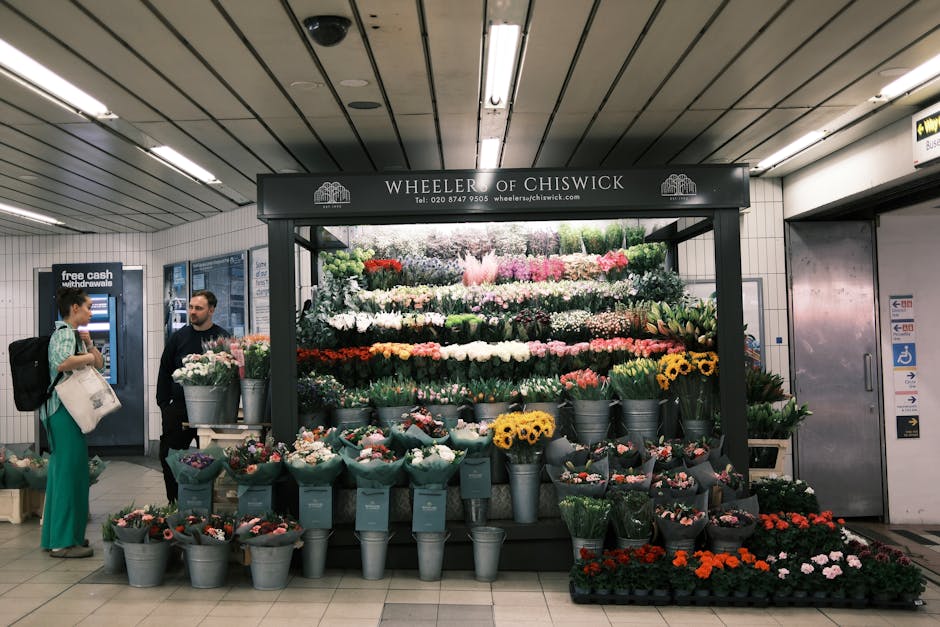
And let's face it, London itself can be a bit unforgiving. Hot tubes, warm offices, dry central heating, packed commutes, and delivery delays all nudge flowers towards quicker decline. None of that means your bouquet is bad. It means freshness has to be handled properly from the start.
How Why your London bouquet wilts fast and how florists fix it Works
Flowers wilt because they stop moving water efficiently from the stem to the bloom. Once water uptake slows, petals lose firmness, leaves curl, and the whole arrangement begins to look tired. That sounds simple, but in real life it's often a combination of factors rather than one dramatic failure.
Here are the most common reasons a bouquet in London deteriorates too quickly:
- Delayed hydration: flowers may spend too long out of water during transit or handling.
- Poor stem cuts: a blunt or crushed stem absorbs water less effectively.
- Heat exposure: warm vehicles, sunny windowsills, and overheated rooms speed up water loss.
- Ethylene sensitivity: some flowers age faster around ripening fruit or decaying plant matter.
- Vase hygiene: dirty containers and cloudy water encourage bacteria.
- Flower mix mismatch: some blooms simply have shorter vase life than others.
Florists fix these issues by controlling the environment before the bouquet reaches you. They trim stems cleanly, remove lower leaves, balance the arrangement so some flowers don't crush others, and often use hydration solutions or holding water to keep the stems drinking. In shops that take freshness seriously, the bouquet is also stored cool and assembled close to dispatch. That closer-to-delivery workflow matters more than people think.
A good florist also chooses blooms based on how they'll travel. A bouquet meant for a busy day in the city may be built with sturdier flowers such as alstroemeria, carnations, or chrysanthemums, rather than only delicate petals that bruise at the slightest knock. For more elegant combinations, florists often balance softer stems with longer-lasting supporting flowers like germini or lilies.
That balance is the quiet secret. The bouquet still looks luxurious, but it has a better chance of lasting through the week instead of giving up by Tuesday afternoon.
Key Benefits and Practical Advantages
When florists get freshness right, the benefits show up immediately, and not just in the first unboxing photo.
- Better value for money: longer vase life means the bouquet feels worth the spend.
- Stronger emotional impact: the gift continues to look thoughtful, not rushed.
- Less waste: fewer stems end up in the bin after one or two days.
- Better scent and appearance: fresher blooms keep shape, colour and fragrance longer.
- More reliable gifting: especially for birthdays, anniversaries, sympathy flowers, and same-day surprises.
There's also a trust benefit. If a florist can consistently deliver flowers that open well and hold up after arrival, people come back. That's why thoughtful products like a flowers-in-a-vase arrangement or a carefully selected florist choice bouquet can be smart options when you want the florist to make freshness-led decisions for you.
For some occasions, durability matters more than drama. A sympathy bouquet, hospital flowers, or a corporate desk arrangement needs stamina. A wedding bouquet, on the other hand, needs both beauty and timing. Florists adapt the design to the job. That sounds obvious, but plenty of disappointing bouquets happen when the wrong flower type is used for the wrong purpose.
Who This Is For and When It Makes Sense
This topic is for anyone who has ever thought, "Why did my flowers wilt so quickly?" But there are a few groups who will feel it most.
- Busy London buyers: if you rely on same-day delivery or last-minute gifting.
- People sending flowers to offices or flats: indoor heating and travel can shorten vase life.
- Gift buyers on a budget: you want every stem to count, especially in the cheap flowers or budget range.
- Wedding planners and couples: timing and flower resilience are everything.
- People sending sympathy or remembrance flowers: a bouquet needs dignity and staying power.
It also makes sense if you've had the same frustrating pattern before. Maybe the flowers looked lovely on arrival, then wilted after a day because they were placed near a radiator. Maybe the roses opened too early because the room was warm. Or maybe the stems were never recut before they went into the vase. These are common, fixable things, honestly.
If you buy for specific events, the flower choice matters too. For example, if you are sending birthday flowers, anniversary flowers, or a warm thank-you gesture, you may want blooms that hold form well and still look great after a few days. For something more reflective, like sympathy flowers or funeral flowers, freshness and presentation are just as important, but the design needs a calmer, more stable structure.
Step-by-Step Guidance
If you want to keep a bouquet fresher for longer, this is the practical side of the process. Nothing fancy. Just the steps that actually help.
- Unwrap the bouquet as soon as it arrives. Flowers hate being left in hot packaging for too long.
- Use a clean vase. A quick rinse is not enough if the vase has old film or detergent residue.
- Cut the stems at an angle. A fresh cut helps water uptake. Use a sharp knife or floral snips if you have them.
- Remove any leaves below the waterline. Leaves sitting in water rot fast and feed bacteria.
- Use fresh, cool water. Not icy. Just clean and fresh.
- Add the flower food if provided. Florist food is not a gimmick; it usually helps balance hydration and reduce bacterial growth.
- Place the bouquet somewhere cool. Away from radiators, fruit bowls, direct sun, and open windows with strong draughts.
- Top up water daily. Some flowers drink a lot in the first 24 hours.
- Re-cut stems after two days if needed. Especially if you notice water uptake slowing.
- Remove fading stems promptly. One bad stem can drag the rest of the bouquet down. A bit ruthless, but useful.
If you're receiving flowers in a vase, you get a head start because the florist has already handled a lot of the preparation. That's one reason vase arrangements are often practical for offices, hospitals, or busy households. A bouquet can be beautiful, yes, but one that arrives already set up properly is easier to maintain.
For a simple, steady option, look at arrangements built for everyday convenience, such as flowers in a vase or a mixed design from the best sellers selection.
Expert Tips for Better Results
Florists tend to do a few things quietly that make a big difference. Most customers never see it, which is kind of the point.
- Condition flowers before design: stems are often hydrated in cool water before being arranged.
- Use the right bloom mix: sturdier stems carry the arrangement while softer flowers give the aesthetic lift.
- Keep varieties separate during prep: some flowers are more sensitive than others, so not everything is lumped together too early.
- Shorten travel time: a bouquet assembled close to delivery usually lasts better than one sitting around for hours.
- Balance the arrangement: crowded bouquets trap heat and bruise petals.
One practical florist trick is selecting flowers that open at a sensible pace. A bouquet shouldn't arrive looking exhausted, but it also shouldn't open fully in the box and then peak on day one. That sweet spot is what good floristry aims for. If you've ever bought roses that went from bud to floppy in what felt like six minutes, you'll know why this matters.
Another useful approach is choosing a slightly more resilient design for warm weather or busy delivery windows. Summer can be brutal. The tube, the doorstep wait, the walk to the desk - it all adds up. In those conditions, a mixed bouquet with stronger stems often behaves better than a highly delicate one.
If you like a colour-led choice, you can also think about structure in terms of tone. For example, white bouquets often feel crisp and calm, while pink or mixed styles can hide the natural opening and aging of blooms more gracefully. That's not magic, just visual balance. A thoughtful mixed-colours bouquet can age more softly than a highly uniform design.
Common Mistakes to Avoid
Most rapid wilting is not because someone did something wildly wrong. It's usually a collection of small slips. Still, a few are worth avoiding on purpose.
- Leaving the bouquet in its wrap too long. It needs air and water, not a wait on the counter.
- Using dirty water. Cloudy water is a red flag.
- Putting flowers next to fruit. Ripening fruit gives off ethylene, which can shorten flower life.
- Using a vase that is too small. Cramped stems get bruised and bent.
- Ignoring damaged stems. One crushed stem can affect the whole bunch.
- Buying the wrong style for the occasion. A very soft bouquet may be beautiful but not practical for a commute-heavy day.
There's also the "I'll sort it later" mistake. It sounds harmless. It usually isn't. Flowers are a live product, and the first hour after delivery really matters. Even a very good bouquet can lose momentum if it sits without water for too long. Harsh, but true.
And yes, the heating in a London flat can absolutely be the culprit. A bouquet on a windowsill above a radiator is a bit like putting it through a tiny endurance test. Not ideal.
Tools, Resources and Recommendations
You don't need a florist studio at home, but a few simple tools make flower care much easier.
- Clean scissors or floral snips: for a fresh stem cut.
- A properly washed vase: probably the most underrated tool in the house.
- Fresh water: changed regularly, not just topped up forever.
- Flower food: use it if supplied.
- A cool indoor spot: away from direct sun and radiators.
When you choose a bouquet online, it helps to pick from ranges that match the purpose. If you want a more indulgent gift, browse luxury flowers. If you want something straightforward and easy to gift, any occasion flowers are a safe middle ground. For more considered gifting, items like thank-you flowers, thinking of you flowers, or new home flowers can be chosen with the recipient's setting in mind.
If you are shopping around and want something dependable rather than experimental, keep an eye on best sellers. In most flower shops, those are popular for a reason: they tend to be crowd-pleasers with good vase life and reliable presentation.
Law, Compliance, Standards, or Best Practice
There isn't a special "London bouquet law" that determines how long flowers should last, but there are still sensible best practices florists and customers should follow. In the UK, honest product descriptions matter. A bouquet marketed as fresh should be prepared and delivered fresh, and any delivery or substitution terms should be clear enough for the customer to understand. That is just good trading practice.
From the florist side, the key standards are practical rather than dramatic: hygienic handling, clean water, correct storage temperature where possible, safe packaging, and accurate substitution if a stem becomes unavailable. If a florist needs to substitute flowers, the replacement should be similar in style and value, not a random surprise. Nobody wants a romantic bouquet turning into a confusing science project.
For customers, the best practice is simple. Unwrap promptly, trim stems, keep the vase clean, and don't expect every flower to behave the same way. Roses, lilies, alstroemeria, carnations, chrysanthemums and germini all have different personalities, if you like. The florist's job is to build a bouquet that works with those differences, not against them.
If your bouquet is for a sensitive occasion such as a funeral, condolence message, or tribute, best practice is especially important. The arrangement should be robust enough to travel, respectful in tone, and suited to the setting. Options from wreaths, sprays, and tributes are often chosen because they fit that need better than a casual hand-tied design.
Options, Methods, or Comparison Table
If you're trying to choose the right format, it helps to compare how different arrangements usually behave once they leave the shop.
| Format | Freshness advantage | Best for | Typical watch-out |
|---|---|---|---|
| Hand-tied bouquet | Flexible, elegant, easy to present | Birthdays, romance, thank-you gifts | Needs a vase quickly after arrival |
| Flowers in a vase | Immediate hydration and easy care | Busy homes, offices, hospital visits | Heavier and sometimes less portable |
| Basket or posy | Stable and often compact | Sympathy, get-well, table gifts | Needs careful watering depending on design |
| Spray or tribute | Structured and professionally conditioned | Funerals and memorial occasions | Not intended for casual vase display |
| Luxury mixed bouquet | High impact, often well-balanced | Anniversaries, special celebrations | Delicate blooms may still need extra care |
In practice, the right format depends on the setting. If the recipient is likely to forget to change water, a vase arrangement is kinder. If presentation matters most, a hand-tied bouquet may win. If you want a strong visual statement with varied textures, a mixed bouquet from the mixed colours range can be a solid call.
Case Study or Real-World Example
Picture a typical Friday in London. A customer orders flowers mid-morning for a colleague's birthday in a City office. The recipient loves the bouquet straight away, but the office is warm, there's sunlight on the desk, and the stems stay in the wrap until after lunch because everyone is busy. By Saturday, the petals are already soft. Not a disaster, but not ideal either.
Now compare that with a florist-prepared vase arrangement. The stems are hydrated before dispatch, the water is clean, the container is ready, and the flowers are chosen for better travel resilience. The same office environment still isn't perfect, but the bouquet has a better starting point. That extra bit of prep is often what separates "lovely for a day" from "still looking good at the end of the week."
We see the same thing with event flowers. A wedding bouquet that's built too far in advance can open too quickly or bruise in transit. A florist who plans for timing, stem strength, and storage can avoid that problem. Sometimes it's as simple as using sturdier supporting flowers and leaving the most fragile blooms for the final conditioning stage. Sounds small. It isn't.
That is the real answer to why your London bouquet wilts fast and how florists fix it: the florist is managing all the boring little details before you ever open the box. And boring, in this case, is excellent.
Practical Checklist
Use this quick checklist whenever you want a bouquet to last longer.
- Choose a florist that prepares flowers close to dispatch.
- Pick a bouquet type suited to the occasion and environment.
- Ask for vase-friendly or sturdier flowers if the gift will travel far.
- Unwrap and hydrate the bouquet straight away.
- Trim stems cleanly before placing them in water.
- Keep leaves out of the waterline.
- Use a clean vase and fresh water.
- Keep flowers away from heat, fruit and direct sunlight.
- Top up water daily.
- Remove fading stems quickly.
If you're buying for a specific occasion, also check the category first. A bouquet for romance and love, congratulations, or get well can benefit from different flower combinations and structures. Choosing the right page makes the outcome easier, which is nice for everyone involved.
Conclusion
So, why do London bouquets wilt so fast? Usually because of a chain of small things: heat, delayed hydration, poor stem cuts, bacteria in the vase, and flower mixes that were not designed for the journey. None of that is mysterious. It just needs proper handling.
And how do florists fix it? By controlling freshness from the source to the doorstep. They condition stems, select better-suited flowers, package carefully, time delivery well, and build arrangements that give your flowers a fair chance at looking great for days, not hours.
If you want your bouquet to stay lovely longer, think less about "which flowers look prettiest in the photo" and more about "which flowers will travel well, drink well, and live well in the recipient's space." That shift alone makes a big difference. A bouquet should feel generous, not temporary. Simple as that.
If you're ordering flowers for a London delivery and want something that looks beautiful beyond day one, choose a florist-led arrangement, keep the care steps simple, and trust the experts to do the quiet work behind the scenes. That's where the real value is.
Get a free quote today and see how much you can save.
Frequently Asked Questions
Why does my bouquet wilt so fast in London?
London bouquets often wilt quickly because of heat, transport delays, dry indoor air, and flowers sitting too long without proper hydration. A florist who conditions stems properly can reduce that risk a lot.
Which flowers last longest in a bouquet?
Sturdy flowers such as alstroemeria, carnations, chrysanthemums, germini, and many lilies usually last well when cared for properly. A mixed bouquet with these stems often gives better vase life.
Are flowers in a vase better than hand-tied bouquets?
Often yes, if convenience and immediate hydration matter. Flowers in a vase arrive already set up, which helps in busy homes, offices, and warm indoor spaces.
How soon should I put a bouquet in water?
As soon as possible. The sooner the stems are in clean water, the better the bouquet can recover from transit and start drinking properly.
Should I cut flower stems before putting them in a vase?
Yes. A fresh angled cut helps the stems absorb water more effectively. Use clean, sharp scissors or floral snips if you have them.
Why is the water cloudy after a day?
Cloudy water usually means bacteria and organic matter are building up, often from leaves in the water or a vase that wasn't cleaned well enough.
Do florist food sachets actually help?
They usually do. Flower food can support hydration and reduce bacterial growth, which helps the bouquet stay fresher for longer.
Can fruit make flowers wilt faster?
Yes, especially ripening fruit. Fruit gives off ethylene, which can speed up ageing in some flowers. Keep bouquets away from fruit bowls if you can.
What should I choose for same-day delivery?
Choose a florist with strong freshness handling and consider sturdier designs or vase arrangements. That gives the bouquet a better chance after a quicker journey.
What flowers are best for sympathy arrangements?
For sympathy work, many people choose calm, structured designs using reliable flowers and formats such as sprays, wreaths, posies, or tribute pieces. The key is dignity, freshness, and stability.
How do florists make luxury flowers last longer?
They usually condition the stems carefully, choose blooms with better travel resilience, and build the arrangement so the most delicate flowers are supported rather than crushed.
What's the biggest mistake people make at home?
Leaving the bouquet in dirty water or placing it near heat. Those two things alone can shorten vase life more than people expect. Tiny mistake, big consequence.
Should I buy mixed colours or one colour for better vase life?
Vase life depends more on the flower types than the colour itself. That said, a balanced mixed design can sometimes look fresher for longer because ageing is less noticeable across varied blooms.
When should I ask a florist to choose for me?
If you care more about freshness and reliability than a specific flower list, florist choice is a smart move. It lets the florist build around what is freshest and best suited for the day.
Can I keep flowers alive longer in a warm flat?
Yes, but you'll need to be more careful: keep them away from radiators, top up water daily, and remove any fading stems quickly. A cooler spot makes a real difference, even in a small flat.